

SENECA
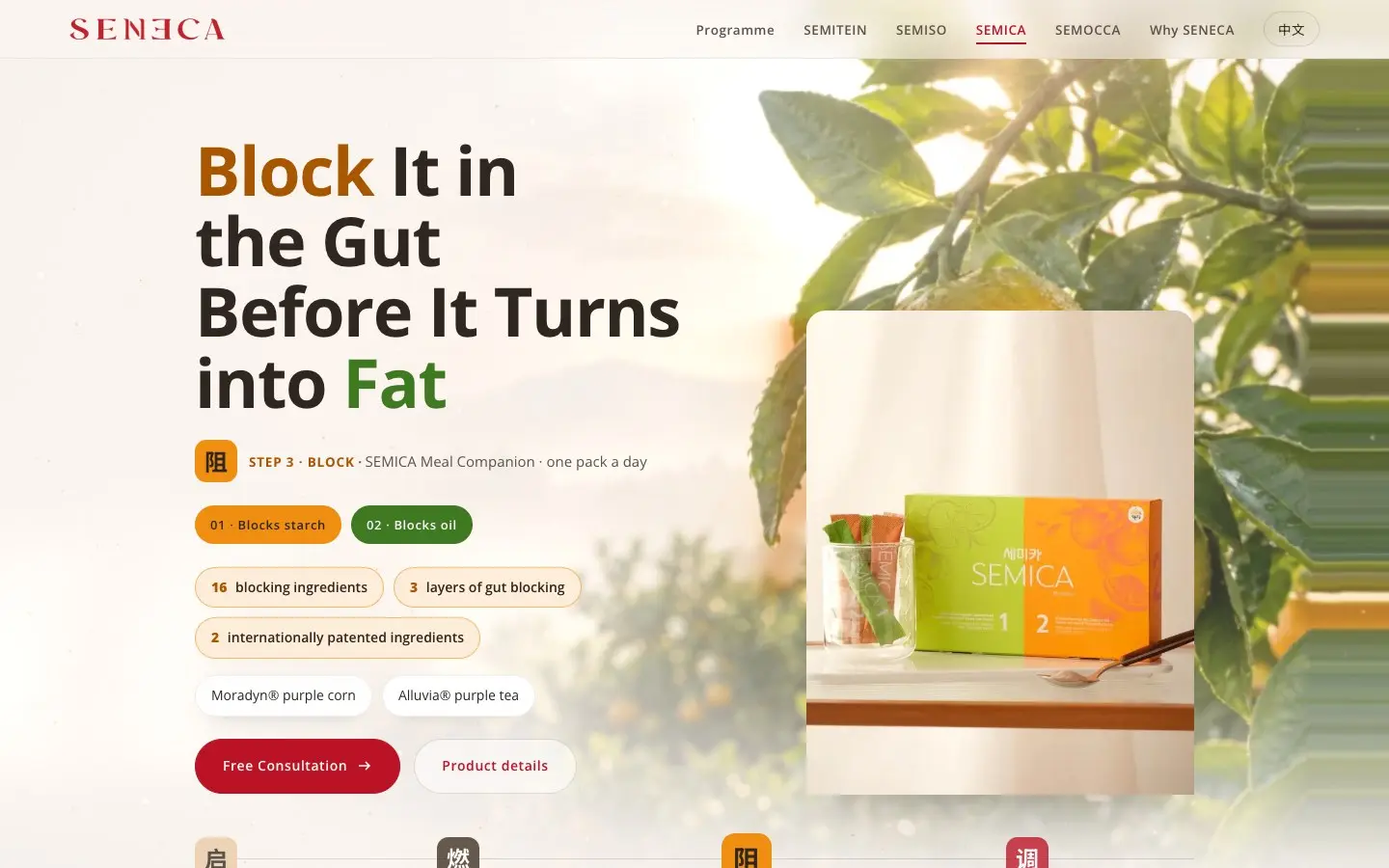
A concept for a seven-page website rework for a health brand, in English and 中文, with an ink scene that follows the scroll. The brand's red and linen, its words and its photographs are kept as they are.
UI/UX design from CodaMinds decides how your app or website looks, reads and works before anyone builds it: research and testing with real users, the screens and a design system, a brand identity for a new product, and a clickable prototype you try on your phone. The same team then builds what you approved.
Steven Lim started the studio in Kuala Lumpur in 2021 and has built apps and websites since 2016. We design the products we run ourselves, so every screen we draw has to work for real users the day it goes live. The person you message is the person who designs and builds your screens, in English, 中文 or Bahasa Melayu. We meet clients in person across the Klang Valley, and work with businesses in the rest of Malaysia, Singapore and further abroad over WhatsApp and a shared draft link.
A screen is cheap to change while it is a drawing and expensive to change once it is code. So the questions that decide whether a product works get answered first. What does the customer come to do? What do they need to see to trust you? Where do they give up? A prototype answers those on a phone, in a customer's hand, before the build starts.
Most of your customers meet you on a phone, on mobile data, between two other things. The page that wins says what it is in the first lines and keeps the button where the thumb is. That is UX. The look, type and colour that make it feel like your business are UI. We do both, in the same hands as the build.
We start with the people who will use the product. We talk to your customers or your staff, watch how they do the task today, and note where it breaks. Then we put the prototype in front of a few of them and watch again. We change what they stumble on, not what sounds good in a meeting.
Every screen your customers and your team will see, designed for the phone first, with every language in place. Behind the screens, a design system: the colours, type, spacing, buttons, forms and messages written down once and used everywhere. It keeps the product consistent as it grows, because each new screen is made from parts that already exist.
A new product needs a name in use, a logo, colours, type and a voice before it needs a website. We design the identity with the product, so it works where it will actually appear: an app icon, a store listing, a social post, a receipt. If you already have a brand, we keep it. A rework is not a rebrand.
Before anything is built, you get a link. You open it on your phone and tap through the product as a customer would: sign up, book, pay, ask a question. For a bigger idea we can show a concept first, a direction on a shared page, so you see where it is going before anything is committed. You mark what to change, and we revise until you approve.
Motion that explains: a step that slides in where it belongs, a button that shows it heard the tap. For a brand that needs to be remembered, an interactive 3D scene in the browser that moves with the scroll or the cursor, like the ink behind the SENECA concept or the ribbon on the Ribbon site. Every scene has a plain version underneath, so the page still reads on a mid-range phone and for anyone who has asked their device to reduce motion.
Text with enough contrast to read in daylight. A page you can use with the keyboard alone, with a visible focus. Labels and alternative text a screen reader can announce. Tap targets big enough for a thumb. We design to the published accessibility guidelines for the web from the first screen, because adding it at the end costs more and works less well.
Two concepts and two live products of our own. The concepts are designs we made and previewed for the brands. They were not launched, and we show them with the brands' permission.
A concept for a seven-page website rework for a health brand, in English and 中文, with an ink scene that follows the scroll. The brand's red and linen, its words and its photographs are kept as they are.
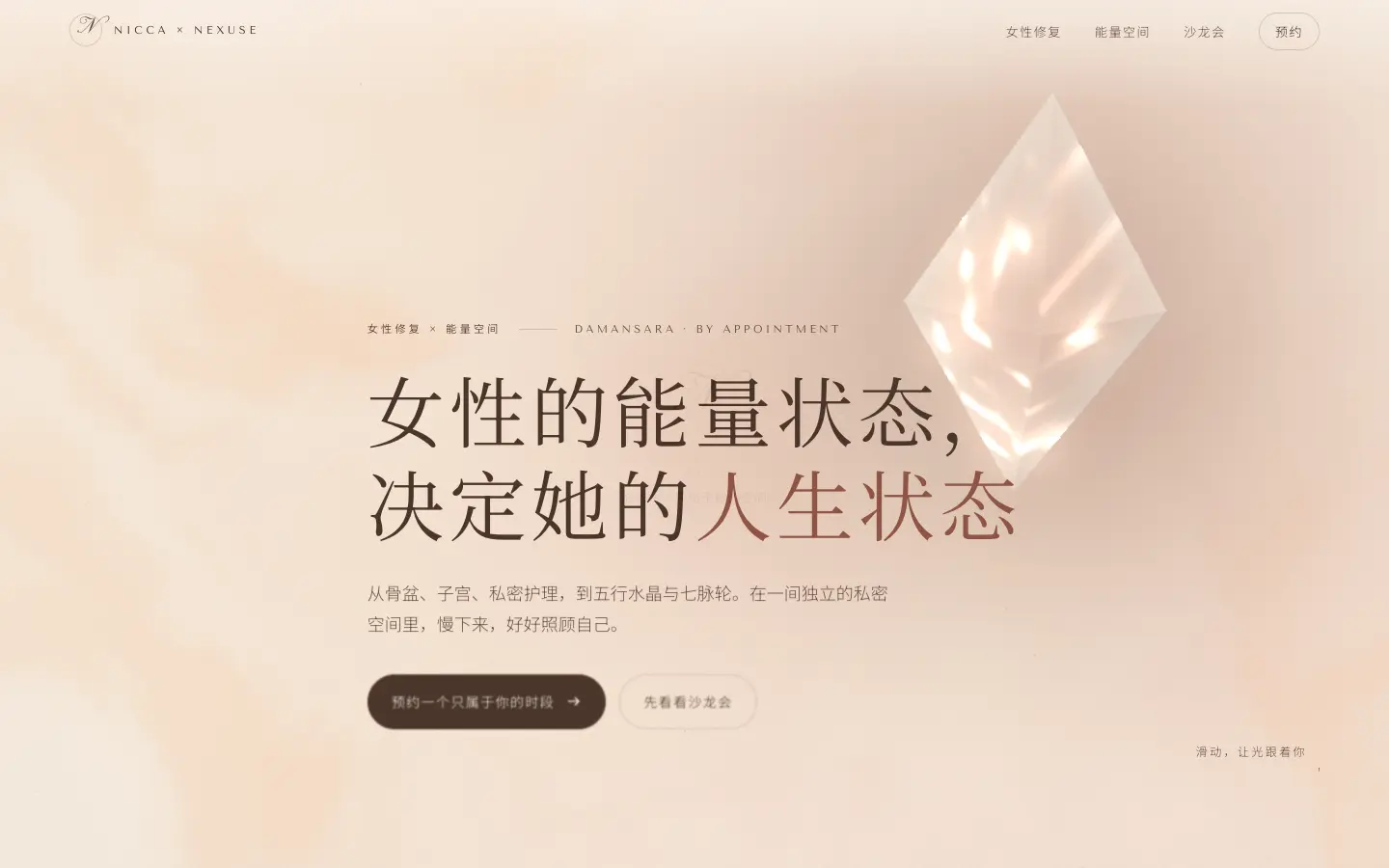
A landing page concept for a wellness studio, in Simplified Chinese, with a live refractive crystal scene, plus separate pages for Nicca and for Nexuse.
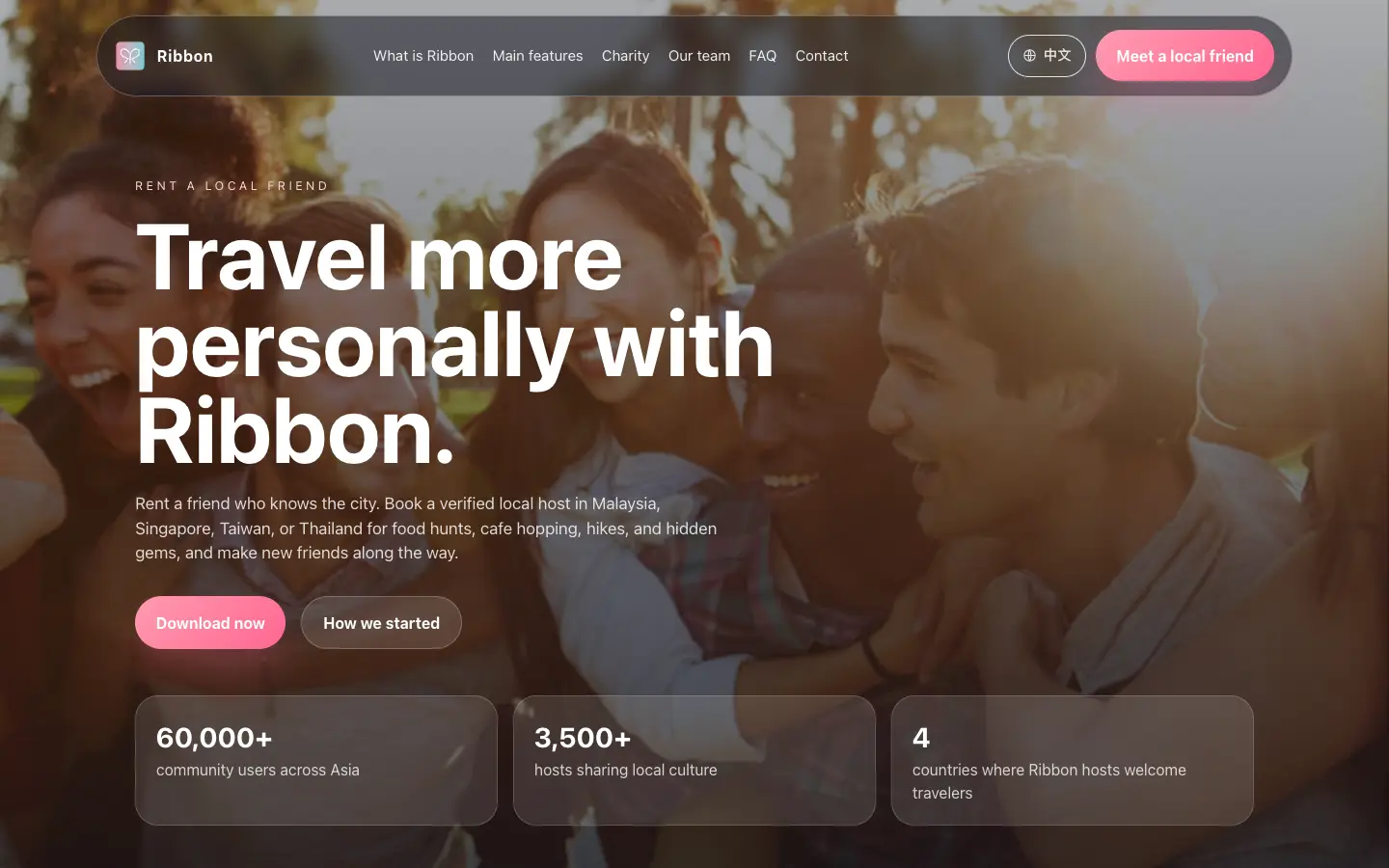
The app, the web version and the marketing site, designed and built by us, with a live ribbon scene on the site.
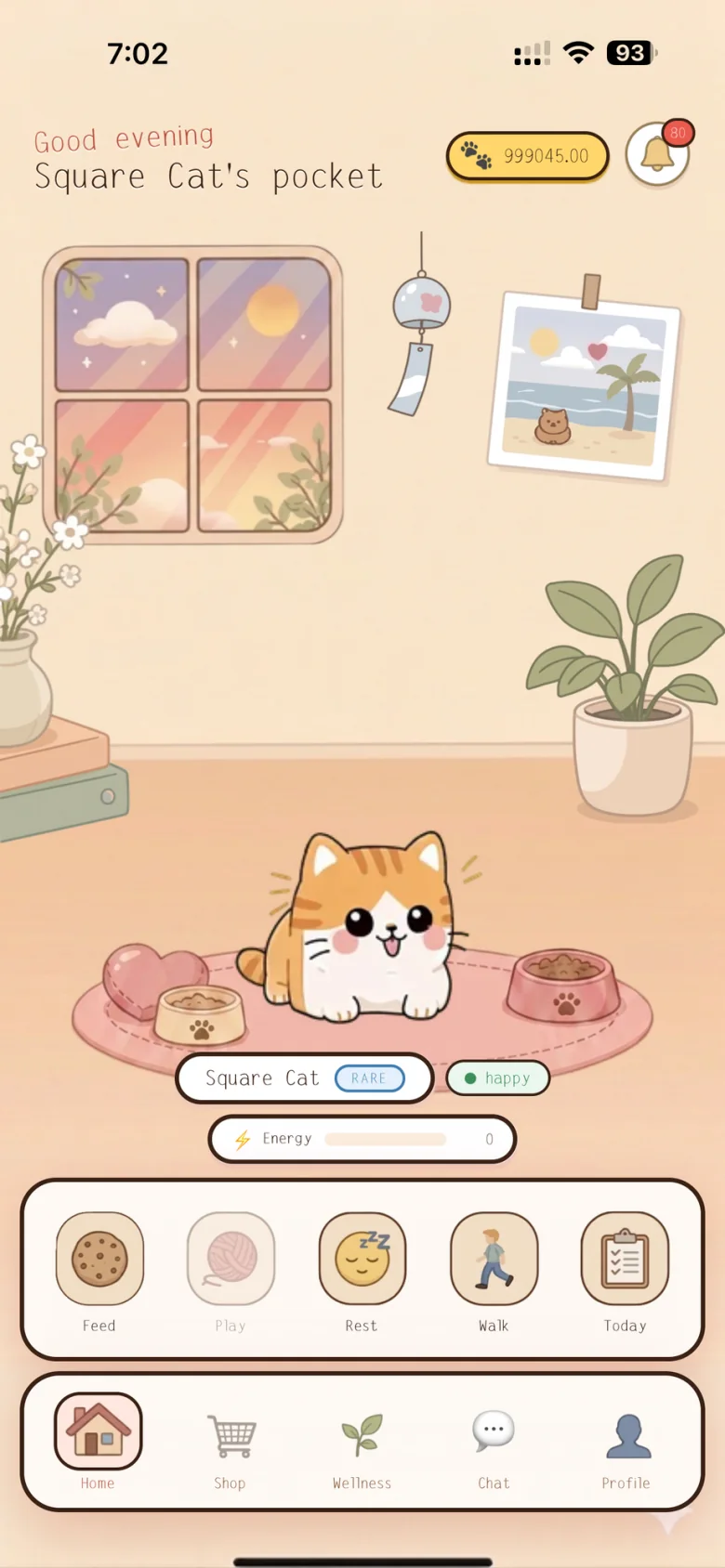
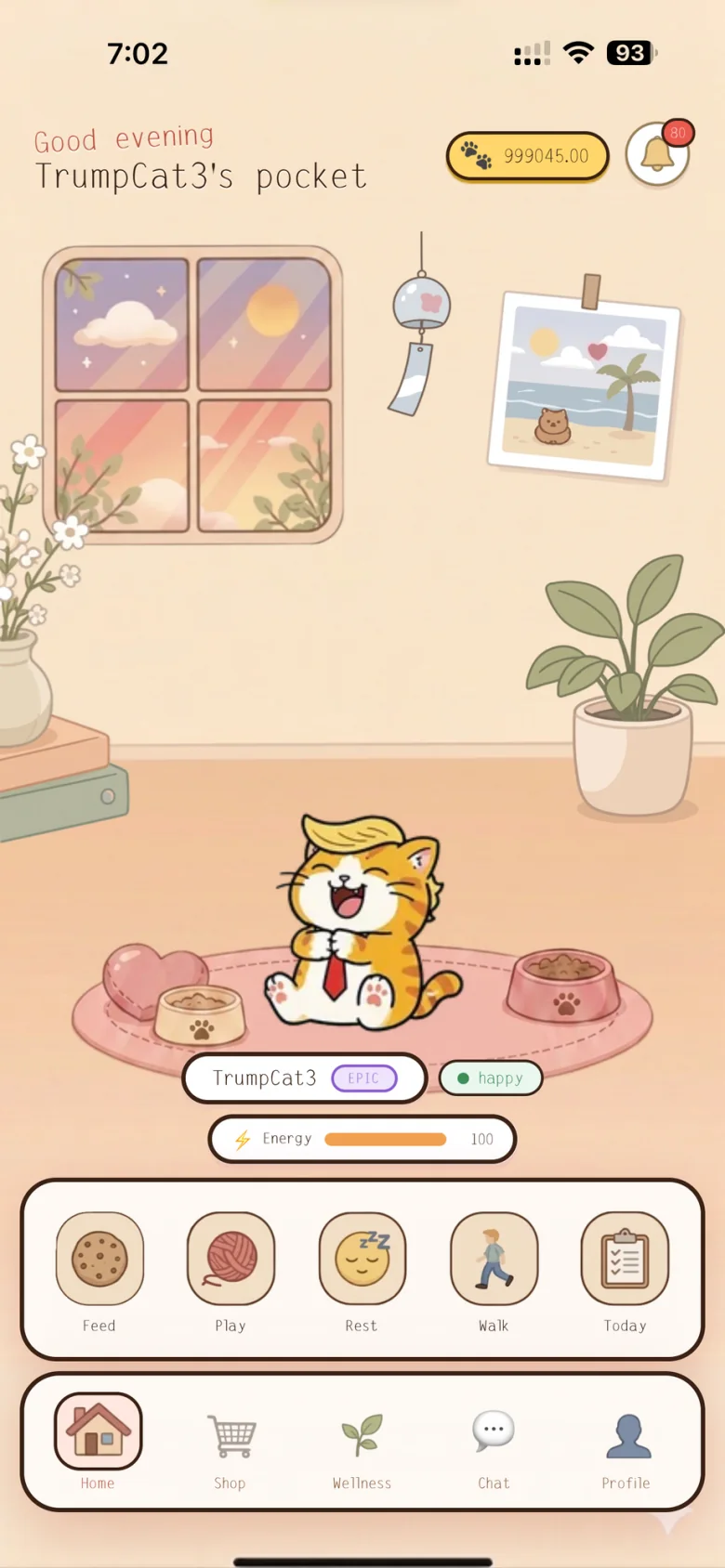
A virtual-pet app for iOS and Android with hand-drawn pets and rooms, all original art.
Brief. You tell us what the product is, who uses it and what it has to get them to do. We reply with questions and a written scope.
Fixed quote. One price for the research, the screens, the prototype and the identity in the scope, agreed before work starts. Anything outside it is quoted first.
Draft on your phone. You open the prototype link, tap through it as a customer would, and mark what to change. We revise until you approve.
Build and launch. We build what you approved, as a website, a landing page, a mobile app or a system, and put it live in your name.
Care after launch. New screens, new pages and changes are a message away, each quoted before it starts. See website maintenance.
UX design is how the product works: what the customer comes to do, the steps they take, and where they might get stuck. UI design is what they see on each step: the layout, type, colour, buttons and motion. A product needs both. We do them together, and the same team builds the result, so the design you approve is the product you get.
Yes. You get a clickable prototype on a link you open on your phone. You tap through it as a customer would, sign up, book or buy, and mark what to change. We revise until you approve, and the build starts only after that, so the code is written for a design you have already approved.
Yes, after a look at what you have. A redesign is often a rework, not a rebrand: we keep your words, colours and photographs, and rebuild the screens so they read well on a phone, work in each language and lead to one action. SENECA is an example, shown as a concept. You get a fixed quote before work starts.
They can, so we design them not to. The page is readable before the scene starts, and the scene runs on a mid-range phone without blocking the words or the buttons. Anyone who has asked their device to reduce motion gets the plain version. Where a scene adds nothing, we leave it out.
Yes. We design every screen with English, 中文 and Bahasa Melayu text in place, because the same line runs longer or shorter in each and the layout has to hold all three. Each language is checked on real phones before launch, not added later through a translation widget.
You do. The design files, the design system, the brand identity and the source files of the build are handed over to you, and the domain and hosting are in your name. If you ever move to another team, you take it all with you. There is no lock-in.
Send us what the product is, who uses it and what it has to get them to do. Tap the button to message us on WhatsApp and get a fixed quote for the design.
WhatsApp us