

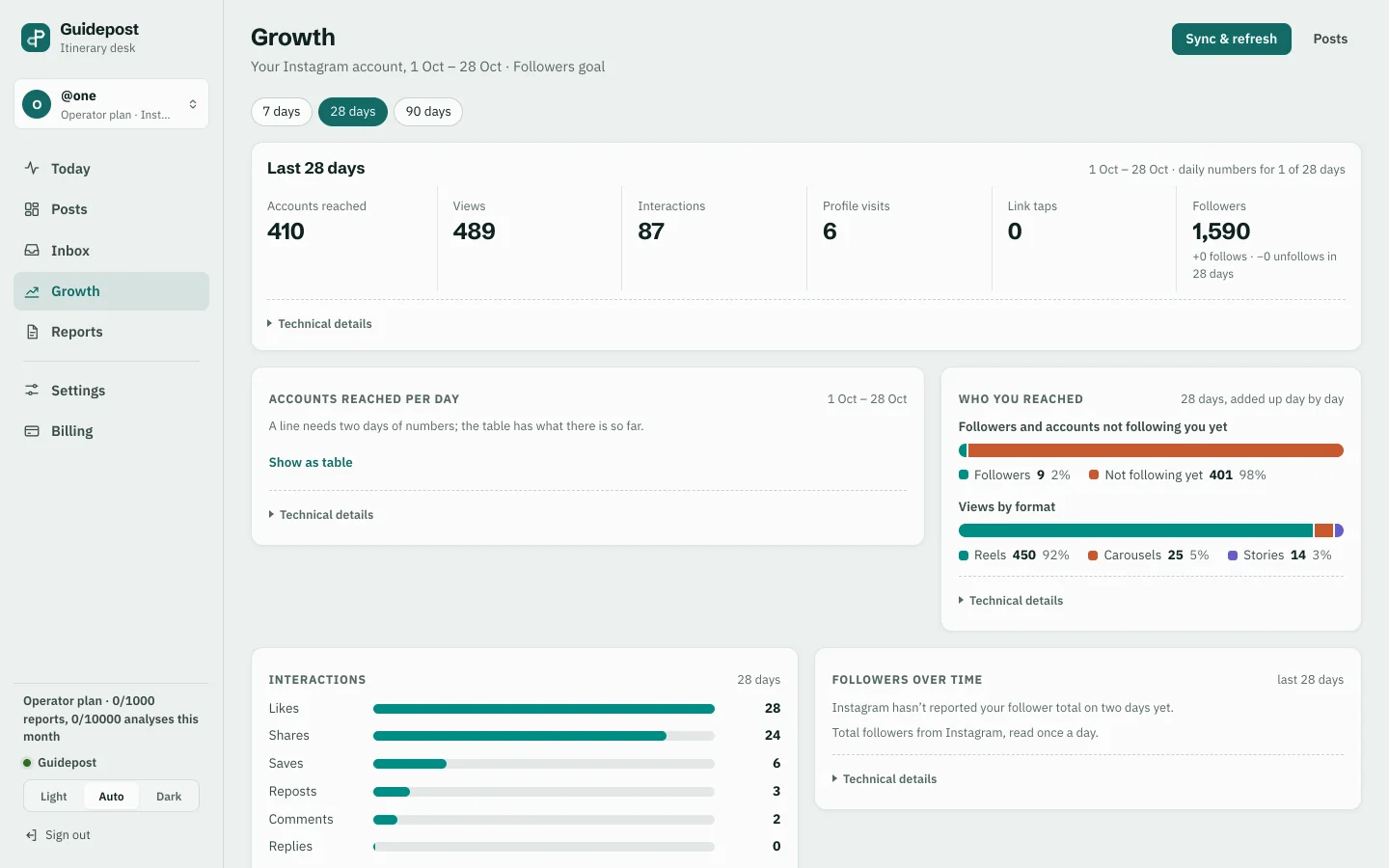
Guidepost
A comment-to-DM web app for Instagram creators, with an inbox of every delivery, email-link sign-in, workspaces, plans and billing. It claims each comment before sending, so nobody gets a guide twice.
Custom system development is building the software behind your working day: the admin panel, bookings, payments and reports, shaped around how your team works. CodaMinds is a small software house in Kuala Lumpur for clinics, restaurants and service firms whose spreadsheets, chat groups and paper forms no longer keep up. You get one console, built and run by us.
Steven Lim started the studio in 2021 and has built apps and websites since 2016. Every day we operate a live app with chat, payments and payouts, so we know what a system needs once real customers rely on it. A system can stand alone or sit behind your website, shop or app on the same domain. For clinics with several branches, see clinic websites and booking systems. For restaurant groups, see restaurant ordering and booking systems. You speak directly with the builder, in English, 中文 or Bahasa Melayu. We meet clients in person across the Klang Valley, and work with businesses in the rest of Malaysia, Singapore and further abroad over WhatsApp and a shared draft link.
The kinds of system we build most often, each with live work behind it:
A marketplace serves two sides: the people who offer something and the people who book it. Each side gets its own sign-up, profile and screens, and the admin side checks who joins, settles disputes and pays out. Ribbon connects travellers with verified local hosts through bookings, chat, payments and host payouts, and we run it every day. Read the Ribbon case.
Bookings with deposits, confirmations and reminders, and a walk-in queue guests follow on their phone, so nobody stands at the door wondering when they are next. Komen.now, our own platform for restaurants, runs restaurant bookings and a walk-in queue this way.
One record per customer: what they bought, when they last came and what they have earned. On top of that, a stamp card, points or a membership tier that brings them back. Komen.now gives restaurant guests a digital stamp card in place of the paper one that gets lost.
The console your team opens every morning, with orders, products, stock, customers and reports in one place. The Dilly Deli console covers exactly that for a restaurant and its online shop, with card payments, refunds and owner alerts. Read the Dilly Deli case.
A signed-in area where your customers see their own bookings, orders, invoices or documents, update their details and message your team, instead of asking for the same things on WhatsApp.
For e-invoicing, payments and WhatsApp, we connect your system to the services that already handle them instead of rebuilding them. See integrations. To take repeated steps off your team, such as follow-ups, reminders and sorting enquiries, see AI and automation.
A system is priced by what it has to handle: how many kinds of user sign in, how many screens the console needs, whether payments, refunds or payouts move through it, which reports you need, and what it connects to. Importing existing data adds work. We send a fixed quote before work starts, and any addition is quoted first.
A comment-to-DM web app for Instagram creators, with an inbox of every delivery, email-link sign-in, workspaces, plans and billing. It claims each comment before sending, so nobody gets a guide twice.
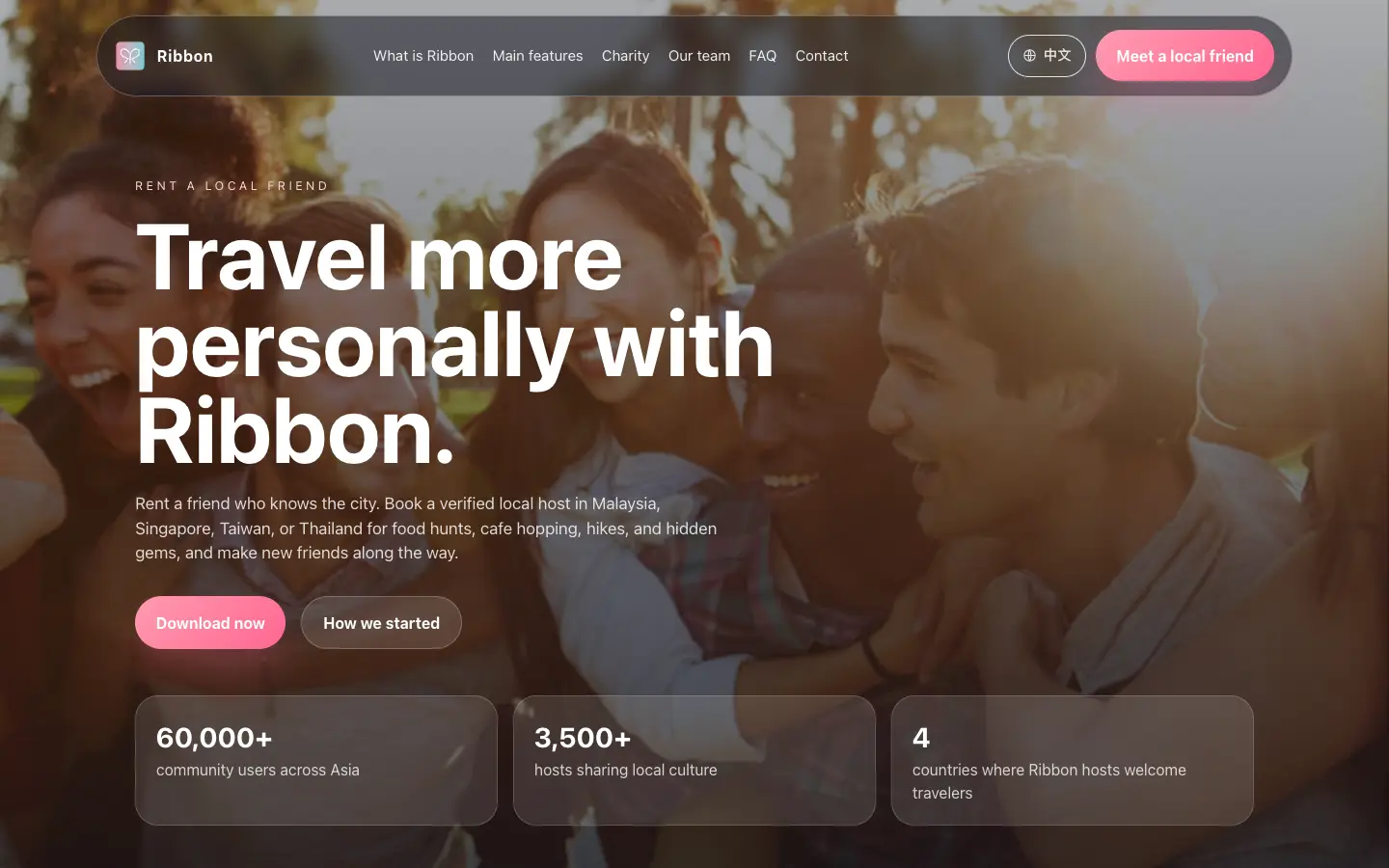
The back end of a rent-a-local-friend app: real-time chat and payments, host payouts and admin tools. We operate it every day.
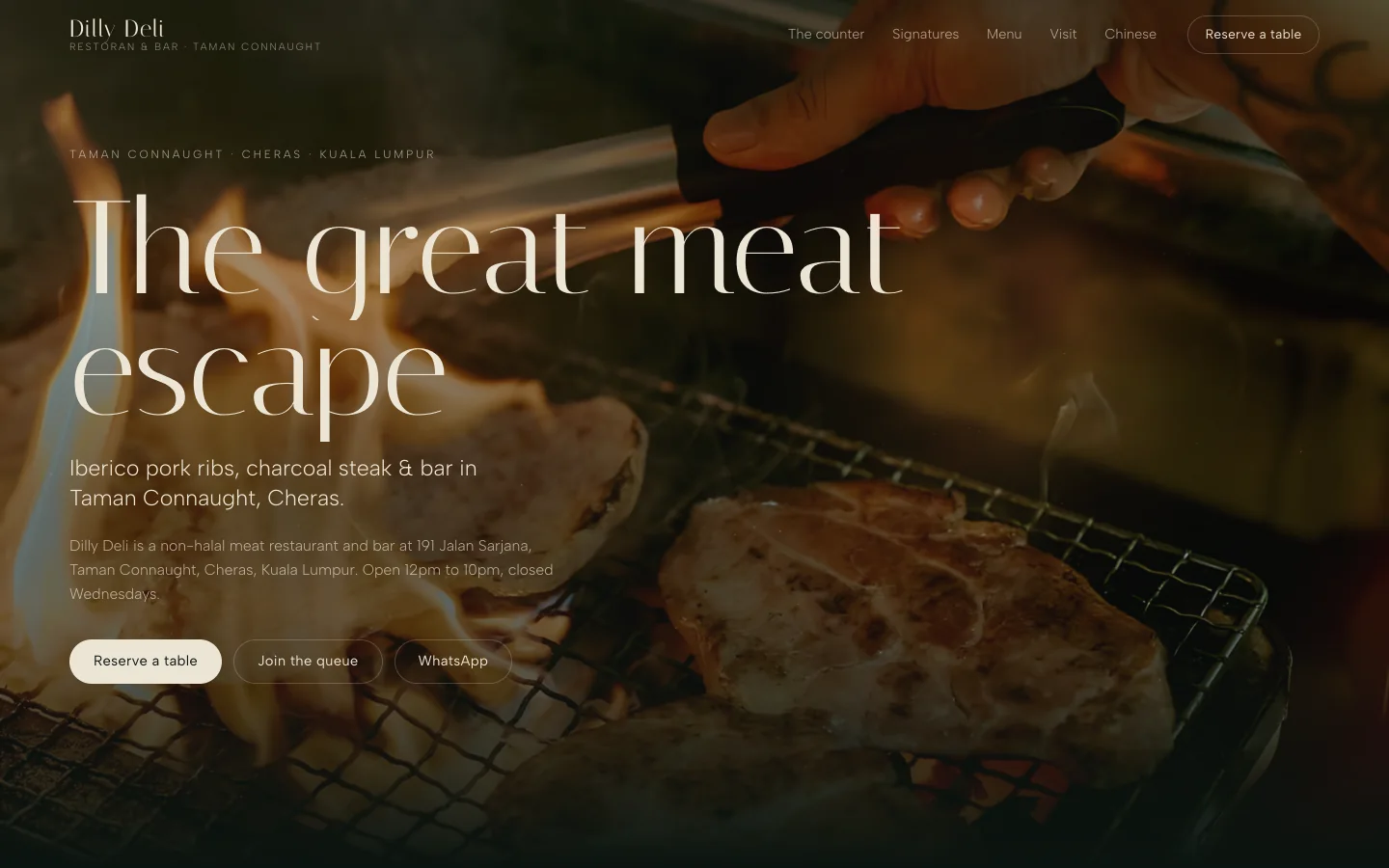
The operator console behind a restaurant's shop, covering orders, products, stock, customers and reports, with card payments, refunds and owner alerts.
The price depends on the number of user roles, the screens and records in the console, whether payments, refunds or payouts run through it, the reports you need, and any outside service it connects to. Describe how your team works today and we reply with a written scope and one fixed price before work begins.
Ready-made software suits a standard process that many businesses share. A custom booking system makes sense when your rules are your own: how you assign staff, take deposits, handle a queue, or report to owners. It is built around your workflow, and the domain, hosting and files stay in your name.
Yes. A system can sit behind the pages you already have, on the same domain, and take over the work your team does by hand. When your landing page grows into a system, you do not need a new team. We read what you have first, then quote the system as its own scope.
Yes. A marketplace needs two sets of screens, one for the people who offer a service and one for the people who book it, plus admin tools to approve new members, handle disputes and pay out. We build and run Ribbon, which connects travellers with verified local hosts through bookings, chat, payments and host payouts, so the scope we write for you comes from a platform that is live.
Yes. It can stand alone or sit inside the booking, ordering or customer system you already use, so each visit or order counts toward a reward. Komen.now, our own restaurant platform, gives guests a digital stamp card. Tell us how you reward customers today and we quote the system that replaces it.
You do. The system runs on hosting in your name, on your domain, and all source files are handed over at launch. Your records stay in your accounts, and if you ever move to another team, you take the system with you. There is no lock-in.
Yes. The studio is in Kuala Lumpur, and we work with businesses across the Klang Valley, the rest of Malaysia, Singapore and further abroad. The brief, the draft and the launch all happen over WhatsApp and a link you open on your phone, so building your system never needs a meeting in person.
Yes. The screens your team uses, and anything your customers see, can run in English, 中文 and Bahasa Melayu. Staff can work in one language while customers read another, and each language is checked on real phones before launch.
Write down the task your team repeats every day and the place it goes wrong. Send that to us on WhatsApp with the button on this page, and we reply with a written scope and a fixed quote.
WhatsApp us