

Ribbon
Payment at booking, refunds and host payouts, with the records an operator needs when a question comes up. We run it every day.
System integration from CodaMinds connects the software your business already runs: payment gateways, LHDN MyInvois e-Invoicing, WhatsApp Business messaging, booking and order systems, spreadsheets and reports. Orders, payments and records move between them without anyone retyping, and you see the numbers in one place. Each connection is quoted before work starts.
Steven Lim started the studio in Kuala Lumpur in 2021 and has built apps and websites since 2016. We run a live product of our own that takes payments, issues refunds and pays hosts out every day, so we know what an integration has to survive once real money moves through it. The person you message is the person who builds your integration, in English, 中文 or Bahasa Melayu. We meet clients in person across the Klang Valley, and work with businesses in the rest of Malaysia, Singapore and further abroad over WhatsApp and a shared draft link.
Most businesses do not need more software. They need the software they have to talk to each other. An order comes in through the shop, the payment lands with the gateway, the stock count lives in a spreadsheet, and the invoice is typed again for the accountant. Every handover is a place where a number gets copied wrong or a refund gets missed.
Integration closes those gaps. Each record is entered once and passed on: the order carries its payment, the payment carries its invoice, and the report reads from all three. We start with the handover that causes the most trouble today, connect it, check it against your own records, and then move to the next. For the shapes this takes in a restaurant group or a clinic, see restaurant ordering and booking and clinic booking systems.
We connect a payment gateway to your shop, booking page or app: cards plus the online banking and e-wallet options your customers already use, deposits at booking, subscriptions that renew on their own, and refunds your staff issue from your own console without logging in elsewhere. Every payment is matched to its order or booking, so a customer's question is answered from one record. Failed payments and disputes show up where staff will see them.
If you sell through an ordering, booking or shop flow, the e-Invoice can be raised from that same flow and submitted to LHDN MyInvois, instead of being typed again at month end. The customer gets the e-Invoice details with their receipt, and the validated record is kept against the order.
One rule catches out businesses that think they are exempt. LHDN's e-Invoice Guideline, version 4.8 dated 30 August 2026, says an outlet below the turnover threshold loses its exemption when a holding company, corporate shareholder or related company is above it. So a small outlet inside a larger group may need e-Invoicing even if its own sales are low. LHDN has also said that full penalties apply from 1 January 2028. Your accountant or tax agent confirms what applies to your business. We build to what they confirm; we do not give tax advice.
WhatsApp is where customers talk to you, and through the WhatsApp Business Platform and its API a system can send messages from your number too. Under WhatsApp's pricing for businesses, since 1 October 2026 order updates and reminders sent this way are charged per message. So we send routine updates from your own booking or order page: a status page the customer can open at any time, an email, or a notification from your mobile app. WhatsApp stays for conversations, where a person on your team answers. Your number stays yours, and every page opens a chat to it with one tap.
Most software a business pays for, such as accounting, delivery, booking and marketing tools, offers an API: a way for other systems to read and write its data. We use it to connect that software to your site, shop or console, so a booking creates a delivery job, or a paid order lands in your accounts. When a tool has no API, or only part of one, we say so before quoting and suggest the simplest way round it. Every connection logs what it sent and what came back, so a failed handover can be traced and retried.
A new system starts with the records you already have: customers, products, bookings, balances. We map each column in your spreadsheets or old system to its place in the new one, clean out duplicates and gaps, and run a trial import you can check against the originals. The old records stay untouched until you sign off, so nothing is lost if a field needs another pass. See custom systems for what the records can move into.
Once the data flows, one dashboard can read it all: sales by outlet, bookings by staff member, refunds, no-shows, stock running low. Reports reach the owner by email on the schedule they choose, in plain numbers with no jargon. Each figure links back to the records behind it, so when a number looks wrong you can see why. For reports on how people find your site, see SEO.
Three products carry the connections this page describes.
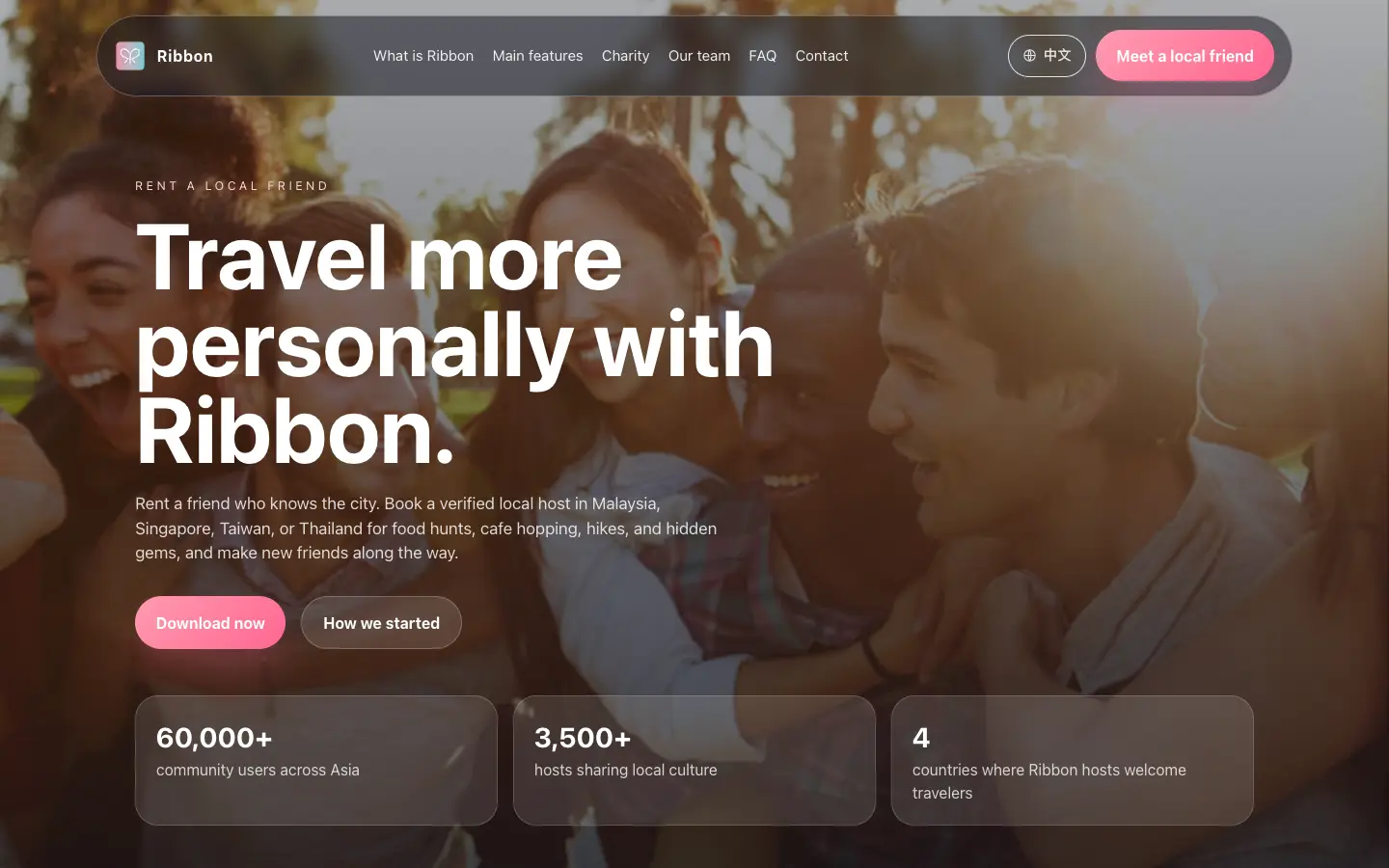
Payment at booking, refunds and host payouts, with the records an operator needs when a question comes up. We run it every day.
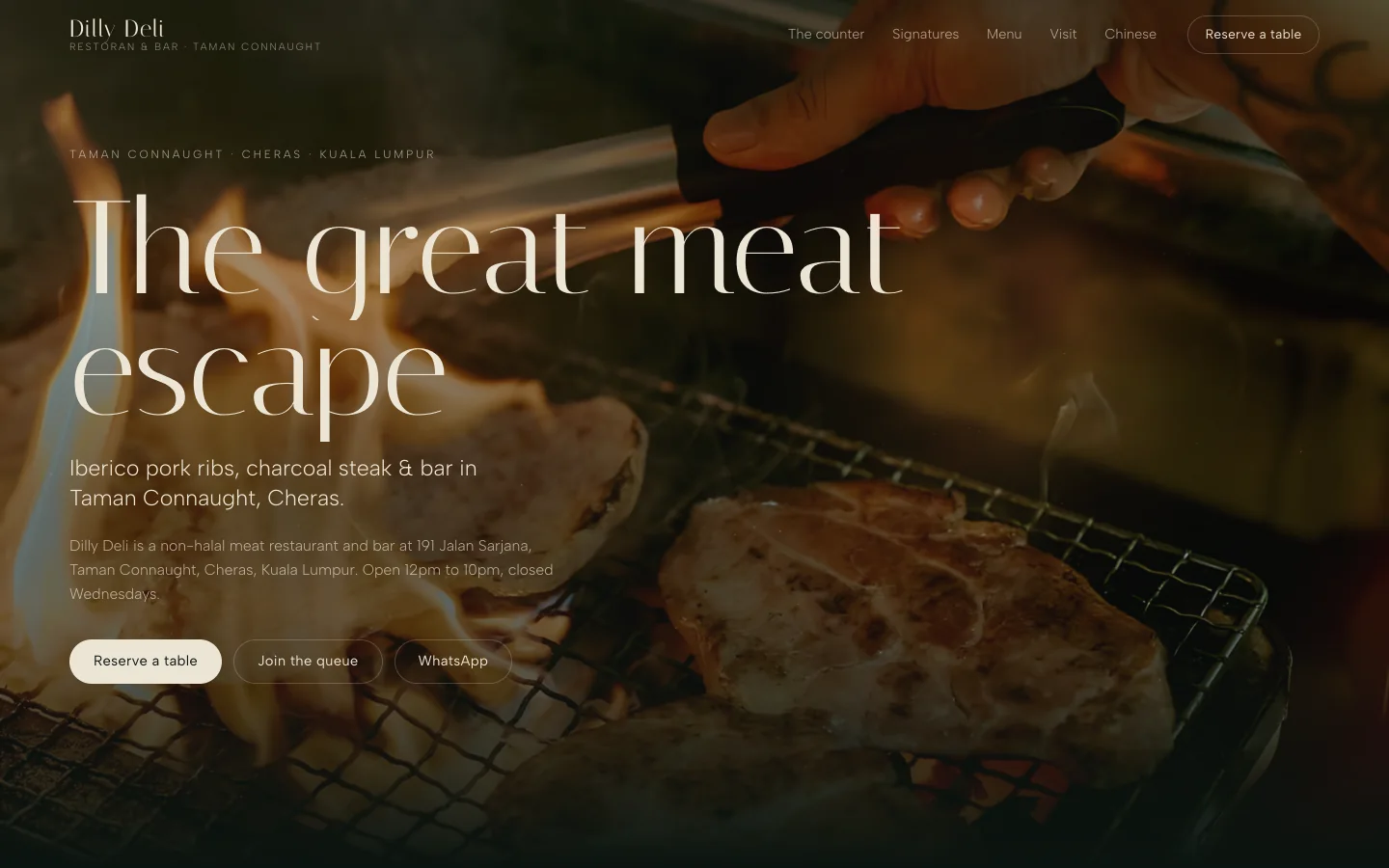
An online shop and operator console with card payments, refunds, order emails to customers and an alert to the owner for each new order, built and not yet switched on.
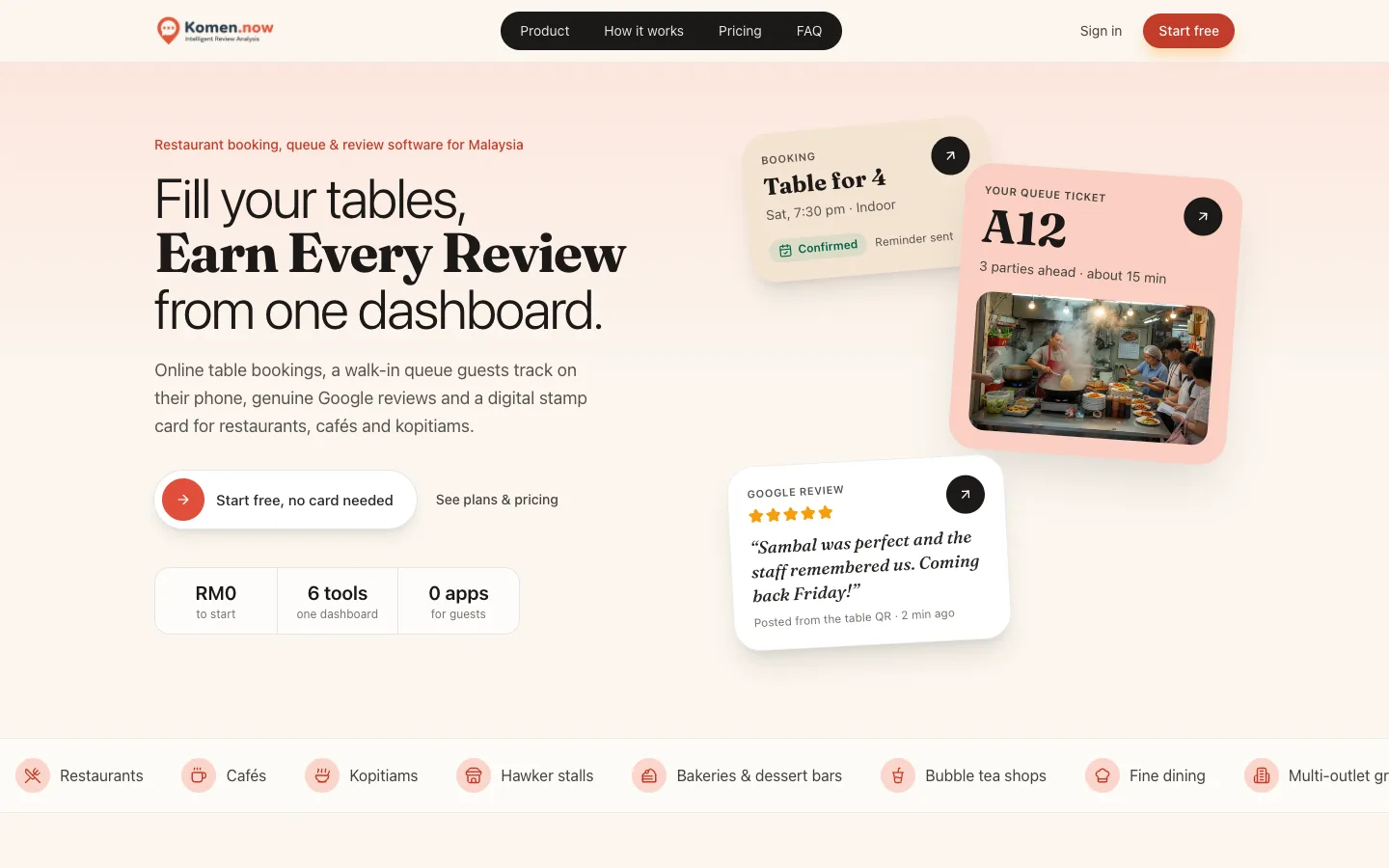
Bookings with confirmations and reminders, a walk-in queue guests follow on their phone, and reviews, all feeding one dashboard for restaurants.
Brief. You list the tools you use today and the handovers between them that go wrong. We reply with questions and a written map of the connections.
Fixed quote. One price for the connections in the map, agreed before work starts. Anything outside it is quoted first.
Draft on your phone. You run test orders, payments and refunds through the draft, in test mode, and check them against your own records. We revise until the numbers match.
Launch. We switch each connection to live, with every account in your name, and watch the first real records go through.
Care after launch. Gateways and outside services change their rules. Updates, new connections and new reports are a message away, each quoted before it starts. See website maintenance.
Possibly. Under LHDN's e-Invoice Guideline, version 4.8 dated 30 August 2026, an outlet below the turnover threshold loses its exemption when a holding company, corporate shareholder or related company is above it. LHDN has also said that full penalties apply from 1 January 2028. Your accountant or tax agent confirms where you stand, and we build the e-Invoice step into your ordering, booking or shop flow to match.
Usually, yes. We read what you have first: how orders and bookings are stored, and whether the site can take a payment step without a rebuild. Then we connect the gateway, match each payment to its order, and add refunds to your console. If the site cannot take it cleanly, we say so before you spend anything.
Mostly not. Since 1 October 2026, order updates and reminders sent through the WhatsApp Business Platform are charged per message. Routine updates cost less from your own order or booking page, by email or app notification. We keep WhatsApp for the conversations that need a person, on your own number, one tap from every page.
Yes. We map each column to its place in the new system, clean out duplicates and gaps, and run a trial import you check against the originals. Your spreadsheets stay untouched until you sign off, so nothing is lost if a field needs another pass. An old system that can export its data moves the same way.
If it offers an API, yes, and most accounting, delivery, booking and marketing tools do. We check what each tool lets other systems read and write before quoting. If a tool has no way in, we tell you and suggest the simplest workaround, such as a scheduled export, or a different tool if that costs less over time.
You do. The payment gateway account, the MyInvois access, the WhatsApp number and the hosting are all in your business's name. Every file is handed over at launch, and each connection is written up in plain words, so another team can pick it up. There is no lock-in.
List the tools your business runs on and the handover that goes wrong most often. Tap the button to message us on WhatsApp, and we reply with a map of the connections and a fixed quote.
WhatsApp us